
Optimal Timing for Lead Paint Testing
Lead paint testing is most effective when conducted prior to any renovation, remodeling, or repainting projects. Testing during periods of inactivity or before occupancy ensures accurate results and minimizes exposure risks. Conducting tests during these times helps identify potential lead hazards early, allowing for proper remediation before work begins.
Testing before renovations begins helps detect lead hazards that might be disturbed during construction activities, reducing health risks.
Conducting lead paint testing prior to buying a property ensures safety and compliance, especially in older buildings.
Testing when properties are unoccupied allows for thorough inspection without interference from ongoing activities.
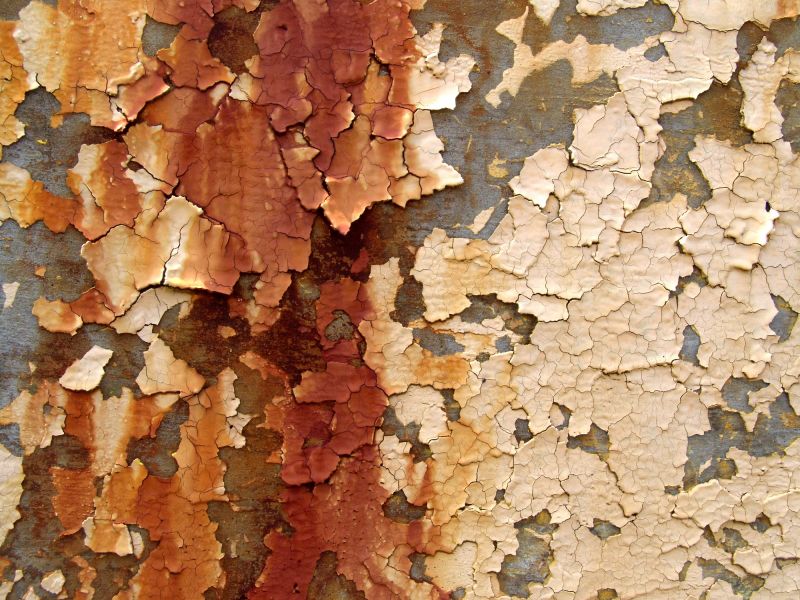
Testing before repainting projects identifies lead-based paint that could pose health risks if disturbed.
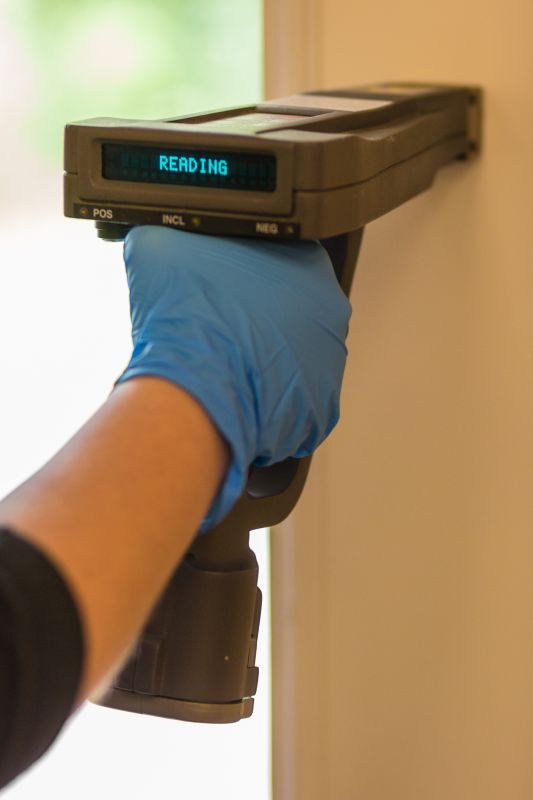
Technicians performing lead testing in an older building.
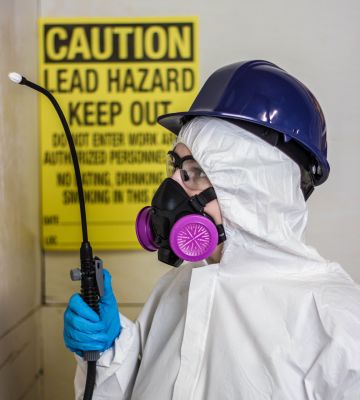
Inspectors assessing surfaces for lead-based paint before renovation work.
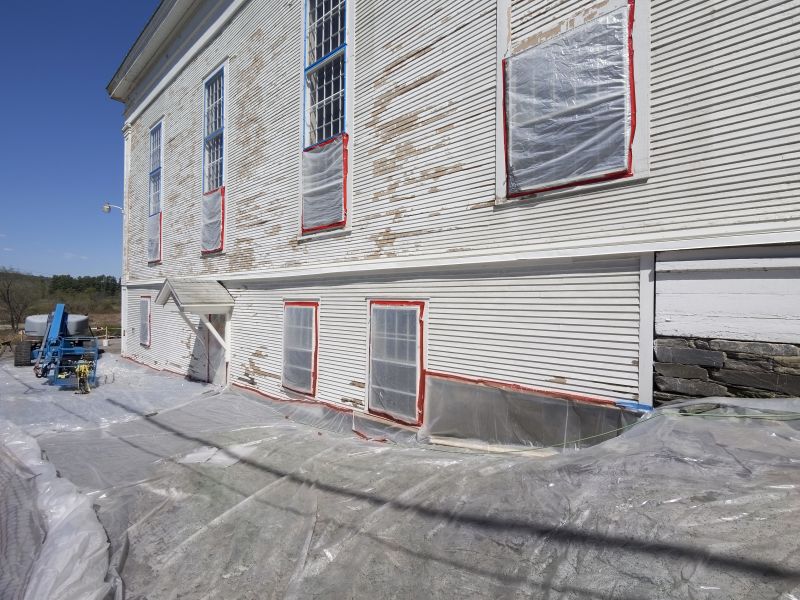
Lead testing conducted in an unoccupied home to identify hazards.
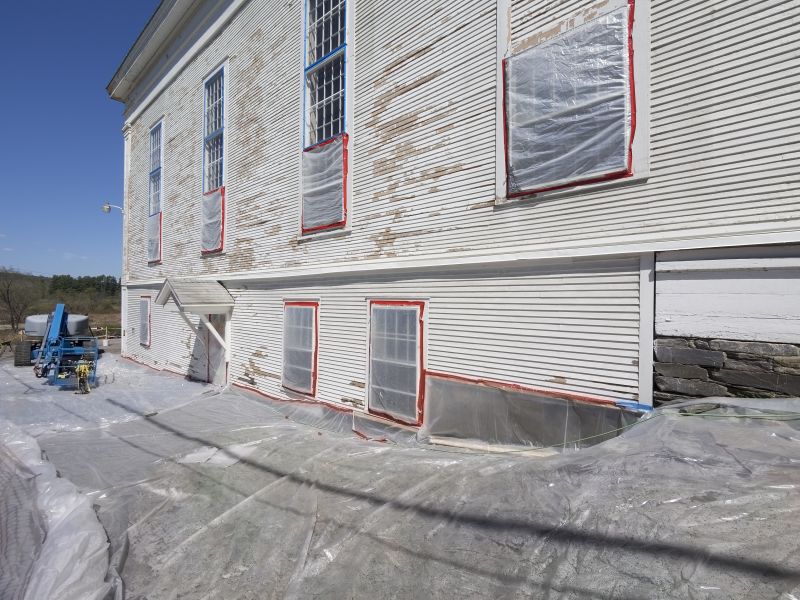
Lead testing prior to repainting projects to ensure safety.
Lead paint testing is a critical process for identifying the presence of lead-based paint in older buildings. Lead exposure can cause serious health issues, especially in children and pregnant women. The U.S. Consumer Product Safety Commission recommends testing in homes built before 1978, when lead-based paint was most commonly used. Accurate testing methods include paint chip analysis, X-ray fluorescence (XRF) analysis, and laboratory testing, each providing reliable results to inform necessary safety measures.
| Scenario | Recommended Timing |
|---|---|
| Before renovation or remodeling | Prior to starting work |
| Prior to property purchase | During property inspection |
| When property is vacant | During periods of no occupancy |
| Before repainting or surface disturbance | Immediately prior to project |
| Routine maintenance checks | Scheduled periodically |
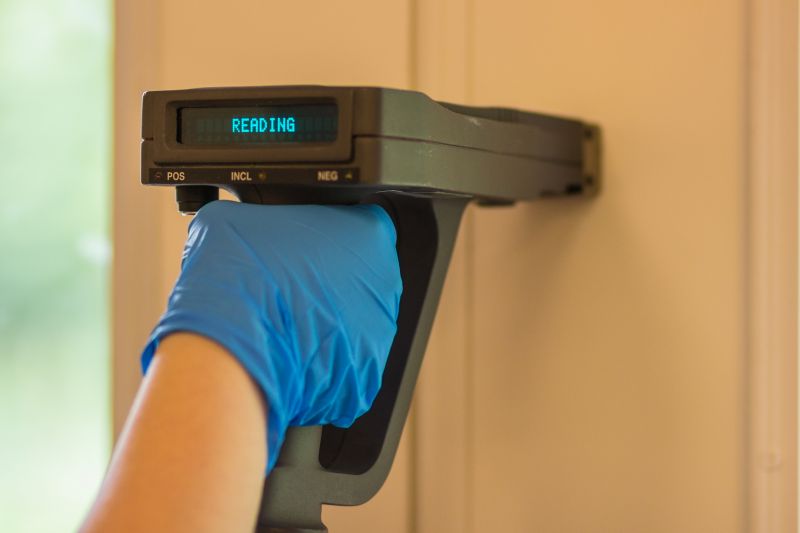
XRF device used for non-destructive lead paint testing.

Technicians conducting lead testing in a residential setting.

Sample results showing lead presence on surfaces.
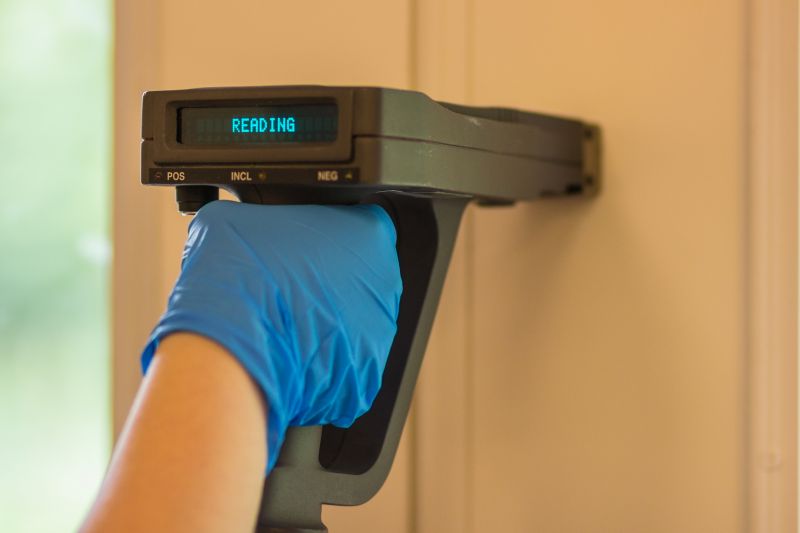
Lead testing results guiding renovation safety procedures.

Ways to make Lead Paint Testings work in tight or awkward layouts.
Popular materials for Lead Paint Testings and why they hold up over time.

Simple add-ons that improve Lead Paint Testings without blowing the budget.

High-end options that actually feel worth it for Lead Paint Testings.
Finishes and colors that play nicely with Lead Paint Testings.
Scheduling lead paint testing at appropriate times ensures safety and compliance during property renovations or transfers. Identifying lead hazards early minimizes health risks and facilitates proper remediation strategies. Regular testing in older buildings can also help monitor ongoing safety, especially in environments with ongoing maintenance or renovation activities.
Individuals interested in lead paint testing are encouraged to contact professionals for comprehensive assessments. Proper timing and accurate testing methods are essential to ensure safety and compliance with relevant regulations.