
Ultimate Selection of Lead Paint Testing Tools for Safety Compliance
Compare leading testing devices that ensure thorough lead detection to help you meet safety standards and protect your loved ones.
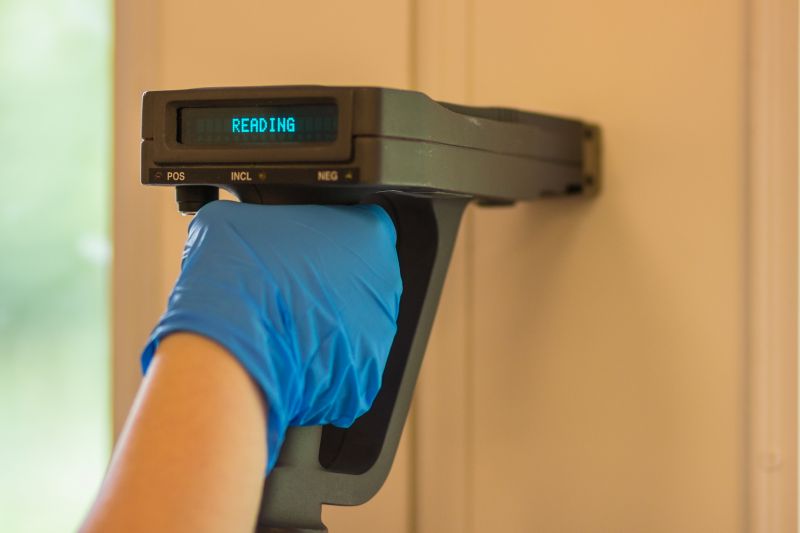 Lead paint testing is an essential step for homeowners, contractors, and renovation professionals to ensure safety and compliance with regulations. These testing products are designed to detect the presence of lead in painted surfaces, which is particularly important in older buildings where lead-based paints were commonly used. Accurate testing can help prevent lead poisoning and facilitate proper handling and disposal of potentially hazardous materials. There are various testing methods available, including swab tests, paint test kits, and electronic detectors, each suited to different needs and levels of precision.
Top Overall Option
Multi-Surface Lead Paint Test Kit
A comprehensive multi-surface test kit that combines ease of use with reliable results, suitable for various painted surfaces including walls, woodwork, and metal. It typically includes swab-based tests with color change indicators and detailed instructions to facilitate accurate detection. While not offering laboratory-grade precision, it provides a practical and accessible solution for quick assessments in residential and professional settings.
Types of Products For Lead Paint Testings
Swab Test Kits
Portable kits that use chemical swabs to detect lead on painted surfaces, providing quick color change results.
Paint Test Kits
Designed specifically for testing paint layers, these kits typically include sample collection tools and chemical reagents.
Electronic Lead Detectors
Advanced devices that electronically sense lead presence without damaging the surface, offering non-destructive testing.
Laboratory Testing Services
Send samples to certified labs for highly accurate analysis, suitable for official compliance and detailed assessment.
Surface Swab Kits
Specialized for testing various surface types like wood, metal, and plaster, often used by professionals.
X-Ray Fluorescence (XRF) Analyzers
High-end portable devices used by professionals to detect lead in paint with precise, real-time results.
DIY Lead Testing Strips
Affordable strips for quick home testing, typically providing a simple color change indicator.
Handheld Lead Test Meters
Electronic devices that provide immediate readings of lead presence on various surfaces.
Paint Chip Sampling Kits
Allow for collecting small paint samples for laboratory analysis, useful for detailed testing.
Portable Lead Testing Devices
Compact tools combining chemical and electronic methods for on-site lead detection.
Popular Choices
Widely used for quick screening, these kits are popular for their simplicity and affordability.
Gaining popularity among professionals for their non-invasive testing capabilities.
Preferred for detailed and definitive results, especially in compliance scenarios.
Versatile and convenient, suitable for testing multiple surfaces and locations.
Common among homeowners for quick, at-home assessments.
Popular among professionals for their accuracy and rapid results.
Designed for specific materials like wood or plaster, often favored by renovation contractors.
Compact and easy to carry, ideal for on-the-go inspections.
Used frequently by inspectors for collecting samples for lab analysis.
Popular for their straightforward color change results and ease of interpretation.
Traditional paint test kits often involve simple swabs or wipes that change color when lead is detected, providing quick and easy results. Electronic lead detectors offer a more advanced approach, using electronic sensors to identify lead presence without damaging the surface. While laboratory testing remains the most precise method, portable testing kits provide a practical solution for on-the-spot assessments. It is important to follow the manufacturer's instructions carefully to ensure accurate results and to understand the limitations of each testing method.
When selecting a lead paint testing product, consider factors such as ease of use, detection sensitivity, and whether the kit is suitable for the specific surface type. Some kits are designed for use on painted walls, woodwork, or metal surfaces, while others may be more versatile. Additionally, the availability of clear instructions and the reliability of the results are crucial for making informed decisions about further actions. Proper testing and interpretation of results can help guide safe renovation practices and ensure compliance with local regulations.
Key Buying Considerations
- Detection method suitability: chemical, electronic, or laboratory-based options depending on your needs.
- Surface compatibility: ensure the product is designed for the specific materials you intend to test.
- Ease of use: consider whether the kit provides clear instructions and straightforward operation.
- Detection sensitivity: evaluate the likelihood of false negatives or positives based on the product's sensitivity.
- Regulatory compliance: choose products that meet local safety and testing standards.
- Result interpretation: look for clear, easy-to-understand indicators or readouts.
- Portability: consider size and weight if you need to perform tests on-site or in multiple locations.
- Cost and value: balance affordability with reliability and accuracy.
- Sample collection: assess whether the product allows for sampling if laboratory testing is needed later.
- Environmental factors: consider if temperature, humidity, or surface conditions could affect test results.
- Brand reputation: select products from reputable sources with positive user feedback.
- Shelf life and storage: check expiration dates and storage requirements for chemical reagents.
- Certification and approvals: verify if the product is certified by relevant safety authorities.
- Number of tests per kit: determine if the quantity meets your testing volume needs.
- Follow-up support: consider availability of customer service or technical support.